A Smart Upgrade to Digital Pensions and Transport
The April 23 announcement was bigger than the headlines suggested - bus tickets, pension grants, a national eKYC platform and a free WhatsApp AI assistant all at once. The direction is right. The execution has to reach the people who need it most.

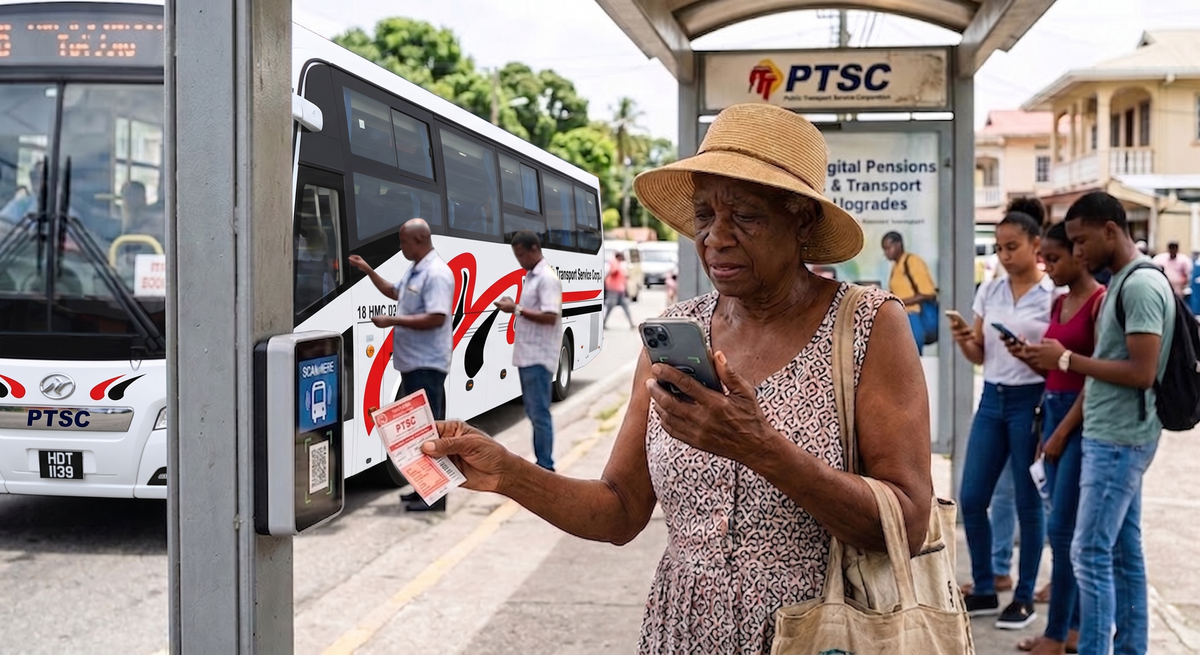
The Brief
- Bus tickets and pension payments are set to go digital, replacing outdated paper systems.
- The NPICTT unveiling on April 23 covered four things at once: digital bus ticketing, digitised pension grants, the NOBIS national eKYC platform, and CitizenAI - a free WhatsApp assistant.
- The first PTSC phase covers terminals for the Deluxe Coach service only, not the whole network.
- Government officials have publicly addressed some digital literacy concerns, but the cost of smartphones and data plans for those on fixed incomes is the gap they haven't really filled.
- Centralising pension, transport and identity data behind one platform raises the cybersecurity stakes considerably.
- A good rollout means parallel paper systems for at least a year, plus face-to-face help desks in post offices and community centres.
As someone who manages IT systems and digital infrastructure for a living, I'm always relieved when paper-based processes finally get retired. Reading the April 24 reports that bus tickets and pension payments are set to go digital was a welcome update. The terminals went live on April 24 for the PTSC Deluxe Coach service, with the National Payment and Innovation Company of Trinidad and Tobago (NPICTT) leading the broader rollout.
This is bigger than a ticketing change, though. The April 23 unveiling at the International Waterfront Centre actually bundled four things together: digital bus ticketing, digital pension grants, the NOBIS eKYC platform - already live with TSTT and intended to become a single verified digital identity for passports, driver's licences and government fees - and CitizenAI, a free WhatsApp-based AI assistant from local firm Axionis. That's a lot of architecture going live in a short window, and each piece deserves attention on its own terms.
My first reflex was to worry about older citizens. Free PTSC travel for those 60 and over has been in place since 2011, so why does any of this affect them? Because pension grant disbursement is part of the same announcement. NPICTT chairman Dr Nigel Fulchan said the company is currently printing around 40,000 pension cheques. Asking pensioners who have relied on physical cheques their whole lives to suddenly use a digital disbursement system, without the right support around them, is a real concern.
To his credit, Fulchan addressed this head-on at the unveiling. He said NPICTT would lean on the existing Social Development cheque-cashing assistance to support seniors through the change rather than build a new system from scratch. Minister Kennedy Swaratsingh went further, pushing back on the assumption that older people can't cope with new technology, and Fulchan claimed adoption rates among older users are running higher than expected. Those are fair points to sit with. CitizenAI in particular is well-pitched for older users - most already have WhatsApp on their phones, and 50 free prompts a month is plenty for a pensioner asking how to find their digital ticket or what number to call for help.
The optimism doesn't cover the financial gap, though. To use digital ticketing or a pension app, you need a working smartphone and a reliable data plan. In my work within the education sector, I see families struggling to provide basic devices and internet access for their pupils. That same digital divide cuts sharply through the older population. For someone on a fixed pension, the cost of a modern phone plus a monthly data plan isn't trivial. If the new system eventually requires a smart device to board a bus in a rural area, you are effectively putting a tax on the poorest travellers - and no amount of confidence about adoption rates fixes that.
Then there is the cybersecurity question. Centralising pension, transport and identity data behind NOBIS is a sensible architectural move on paper, but it raises the stakes considerably. Several state agencies and major telecoms providers in Trinidad and Tobago have been hit by serious ransomware attacks and breaches over the past few years. The technical talent in this country is excellent - I have no doubt the engineers know what they are doing - but they need the resources and political backing to build security infrastructure that holds up under sustained attack. If you're asking pensioners to trust a digital portal with their sole source of income, the data has to be locked down properly.
A note on speculation: the current announcement doesn't say what happens to the laminated bus passes issued by the Social Welfare Division. It seems likely those will need to move to smart cards or digital profiles eventually, but no firm policy has been confirmed. That's the kind of detail I want to sit with the planners on, because getting it wrong creates a parallel problem we don't need.
This is why the rollout strategy matters so much. A rushed launch, where the old paper systems are switched off overnight, would be a disaster. Good IT management dictates a long period of parallel running. The government should keep the physical cash and paper cheque options for at least a year while incentivising the move to digital. Physical help desks in local communities - perhaps stationed in post offices or community centres - where people can go for patient, face-to-face guidance. An automated phone line that leaves confused callers on hold for an hour is not a strategy.
It is a necessary step forward, and I applaud the initiative. But the government must ensure the change is handled with empathy and foresight. We can build the smartest digital infrastructure in the Caribbean, but it means nothing if the people who need it most are left standing at the bus stop.