Tiny Miracles: The Quiet Triumphs of Our Public Healthcare Workers
While the nursing dispute dominates the news, three premature triplets – the smallest ever delivered in T&T – went home from a Port of Spain NICU last week. The Health Minister also unveiled plans for a national prosthetics centre. Two reminders of what our health workers can do.

The Brief
- The NWRHA announced last week that the smallest triplets ever delivered in Trinidad and Tobago, born at 27 weeks, were successfully discharged from the NICU at Port of Spain General after several weeks of intensive care.
- On April 22, Health Minister Lackram Bodoe told CARPHA's 70th Annual Health Research Conference in Guyana that T&T is "very close to operationalising" a permanent national prosthetics centre.
- Both stories deserve to be celebrated. Together they show what the system is capable of, and why the people who run it matter.
Yesterday I wrote about a public health system in dispute. It would be incredibly easy to leave the story there – I do my fair share of pointing out institutional decay on this blog – but we have to actively acknowledge the genuine triumphs when they happen, and there are two of them worth celebrating this week.
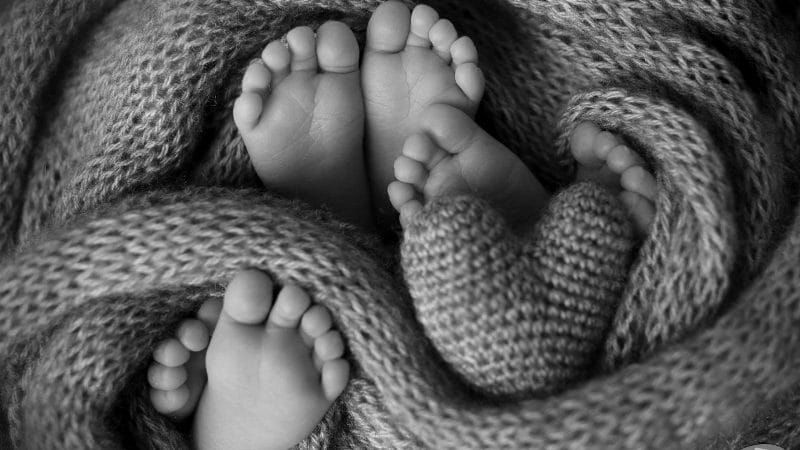
The first is genuinely wonderful news. Last week, the North West Regional Health Authority announced the discharge of the smallest triplets ever delivered and treated in Trinidad and Tobago. Born at 27 weeks, the threshold of viability, the infants spent several weeks in the Neonatal Intensive Care Unit at the Port of Spain General Hospital before going home. Three babies, all of them at the edge of what neonatal medicine can do, and all of them surviving. That is not a routine outcome anywhere in the world.
These tiny miracles required round-the-clock, highly specialised medical intervention. A 27-week baby is extraordinarily fragile; the lungs are not yet ready to breathe room air, and a missed cue or a delayed response can change an outcome irreversibly. Getting three of them home, healthy, took weeks of sustained, high-precision work from nurses, neonatologists, respiratory therapists and support staff who never made the headlines. They did the work quietly, as a matter of routine, while the wider profession was on the streets demanding to be paid properly. That tells you something good about who we have on our wards.
This is the part I want to sit with people. While the nurses' association battles the Regional Health Authorities for fair wages – a fight they absolutely deserve to win, as I argued yesterday – those same nurses are on the floor performing miracles. The clinical talent in this country is genuinely world-class. When the equipment is there, the staffing is there, and the team is there, the results speak for themselves. They speak in the form of three babies asleep in a crib at home tonight.
A prosthetics centre on the way
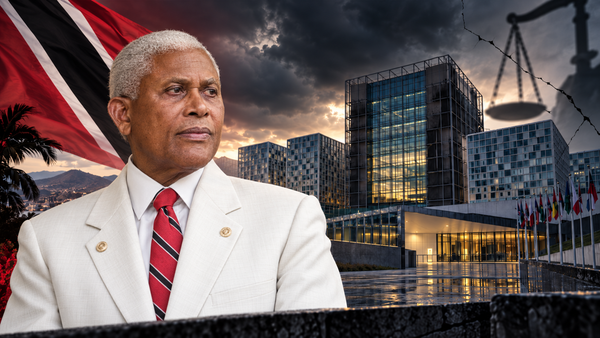
There is a second piece of good news worth marking. On April 22, Health Minister Lackram Bodoe announced that Trinidad and Tobago is moving closer to a permanent national prosthetics centre. Speaking at CARPHA's 70th Annual Health Research Conference in Guyana, Bodoe said the country had recently been able to provide prosthetic limbs to roughly 800 patients – mostly diabetics, with some trauma cases – with the assistance of India. He described the new centre as "very close to operationalising," and floated the prospect of taking patients from across the Caribbean.
This would matter, and not in a small way. Around 450 people lose limbs in T&T every year, the majority to complications from diabetes. The current pathway runs largely through private providers, where prostheses start at around TT$20,000 and many patients wait long periods for the government to settle the bill. A state-funded centre would shift that from a wait-list problem into a proper public service, restoring mobility and independence to people who currently depend on charity, savings or the kindness of relatives. The India partnership is also worth a moment of attention – Caribbean medical diplomacy doesn't get the coverage it deserves, and 800 patients walking again because of it is a real result.
A note of cautious optimism, though. "Very close to operationalising" is not an opening date, and announcements at regional conferences have a long history of not quite arriving. Bodoe also floated turning the Couva Children's Hospital into a tertiary, possibly quaternary, referral centre for the Caribbean – another welcome ambition, and one I genuinely hope lands. These plans become real only when they are properly staffed and properly funded, and that part is entirely in our hands.
Which brings me back to the NICU. The reason those triplets are home is that, despite everything, the people on that ward stayed. They held their nerve through several weeks of fragile, hour-by-hour care, and they got three babies through. That is the standard of work our country is capable of producing – not occasionally, but routinely, in wards and theatres across both islands, day in and day out. We do not say it often enough.
These stories remind us what the public health system is actually capable of when it functions correctly. It is not just a political talking point; it is a vital public service that saves lives and restores dignity. And it is the people – the nurses at the bedside, the doctors on call, the therapists in the wards – who deliver it. They are worth celebrating, and they are worth keeping.