365 Days of the UNC: An Audit of Power, Promises and Perils
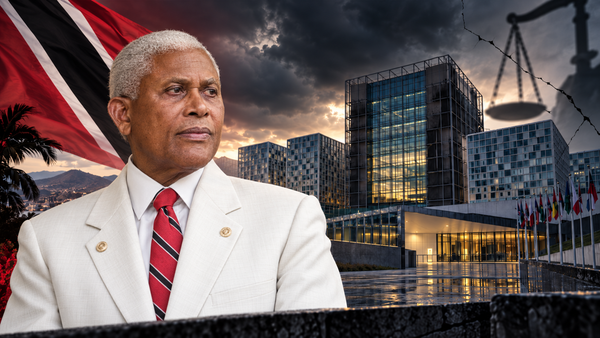
A seven-part audit of the UNC government's first year. Genuine wins on jobs, pensions and paediatric care sit beside an Auditor General's qualified opinion, a collapsed security bill, a nurses' walkout, and Trinidadian fishermen killed in US strikes our government endorsed.
The Brief
- Twelve months in, the Persad-Bissessar administration has delivered targeted economic relief – 10% public sector wage increases, an expanded Children's Life Fund, repeal of the TTRA – and reopened the Couva Children's Hospital. Around 15,000 jobs have been delivered against a manifesto pledge of 50,000.
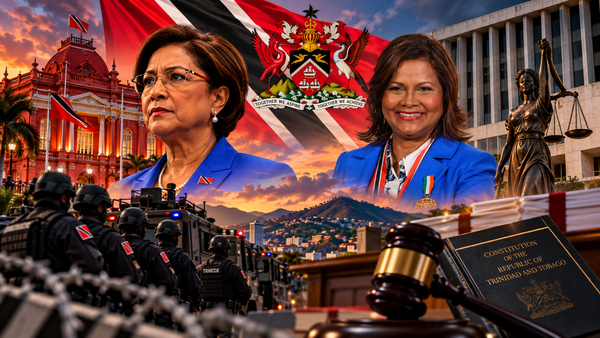
- Crime is down by official figures (369 murders in 2025, a 42% drop), but the reduction has rested on two States of Emergency and the collapse of the Zones of Special Operations Bill in the Senate. The killing of Joshua Samaroo by police and the murder of Acting Cpl Anuska Eversley inside her own station have shaken public confidence.
- The Auditor General's report on the 2025 Public Accounts, tabled in April 2026, flagged $36.56 billion in unverified tax revenue and $1.59 billion in unsupported spending – a transparency problem the new government inherits but now owns.
- Foreign policy has fractured CARICOM, brought US Marines and a G/ATOR radar to Tobago, and resulted in the deaths of two Trinidadian fishermen in a US missile strike now subject to a lawsuit in US federal court.
- Carnival 2026 was a real high point. The nurses' dispute is unresolved. Brighter days remain a promise, not yet a delivery.
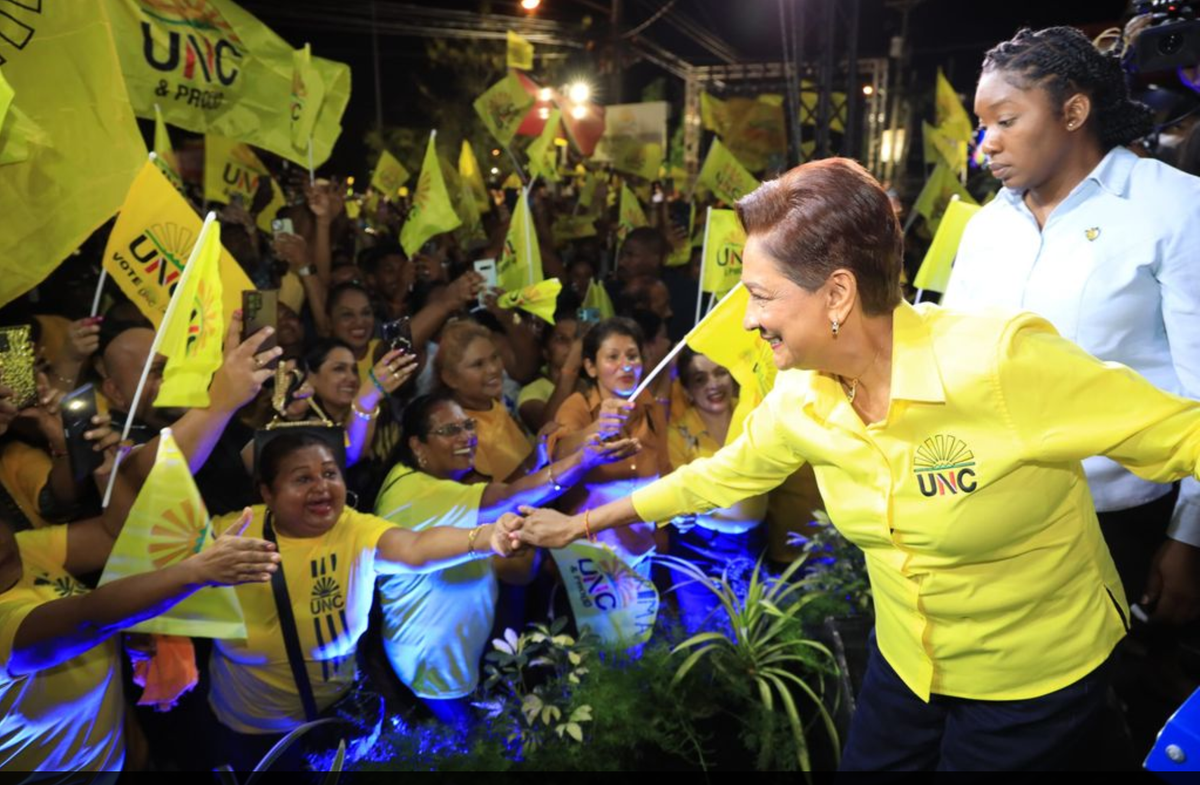
If you were anywhere near a television, a radio, or a social media feed on the night of April 28, 2025, you remember the shift in the atmosphere. For those living in Trinidad and Tobago, and for the diaspora watching the live streams from living rooms in Brooklyn, Toronto, and London, the 2025 General Election was more than a routine transfer of power – it was a wholesale rejection of a decade-long status quo that had left a great many citizens feeling economically stranded, culturally alienated, and physically unsafe. When the dust settled, the United National Congress (UNC) had secured a 26-to-13 seat victory over the incumbent People's National Movement (PNM).
The mandate delivered to Prime Minister Kamla Persad-Bissessar – who, at 73, remains the only woman to have led our twin-island republic – was unequivocal. In Tobago, the political map was redrawn too. The Tobago People's Party (TPP), led by Tobago House of Assembly Chief Minister Farley Augustine, dismantled the PNM's generations-deep stronghold and captured both Tobago seats. The fallout was swift. By April 30, 2025, Stuart Young had resigned as PNM party chairman; on May 1, former Prime Minister Dr Keith Rowley announced he would step down as political leader, paving the way for Pennelope Beckles to take up the mantle of Opposition Leader. On that same day, Persad-Bissessar and Attorney General John Jeremie were sworn into office.
For a middle-of-the-road liberal like myself, watching a peaceful, democratic transfer of power of that magnitude is a moment of civic pride. It reaffirms that the ultimate power in our republic rests not in the halls of the Red House, but in the ink on our fingers. My vantage point as I write is as a citizen living abroad, away from the tribal alliances that so often dictate the rhythm and rationale of local politics. I am neither a credentialed political scientist nor an economic expert – simply an observer who loves his country, trying to cut through the noise and decipher what these shifts mean for the average person walking the streets of Port of Spain, Chaguanas or San Fernando.
To make sense of this new era, we have to look back at the PNM's tenure to understand why the electorate had such an uncompromising appetite for change.
The decade from September 2015 to April 2025 under Dr Keith Rowley was defined by economic contraction and a pervasive sense of stagnation. According to data later presented to Parliament, our real Gross Domestic Product (GDP) fell from $187 billion in 2014 to $154.9 billion by the end of 2024. Over that same period, the national debt swelled by over 100%, reaching $140.7 billion. To put that into perspective, 81.8% of everything our country produced in a year was tied up in servicing debt, with over 10% of total annual revenue going just to cover interest payments. The labour market was decimated; official statistics recorded 70,600 jobs lost under the PNM administration, pushing labour force participation down to a historic low of 54.3% by March 2025. It was an environment of intense austerity, made worse by rising violent crime, gang warfare, and institutional decay. The psychological toll of waking up every day in a country that felt like it was moving backwards cannot be overstated. For many, the 2025 election was not merely a political choice – it was an act of desperation.
To understand the metric by which this government must be judged, we need to look at the blueprint they presented. The UNC's election manifesto, formally adopted by Cabinet as the official National Development Policy Framework, promised a radical departure from the grim status quo. The promises were ambitious in scope. The immediate creation of 50,000 new jobs, designed to revive the working class. A diversification away from oil and gas into artificial intelligence, biotechnology, financial technology, and renewable energy. A world-class yachting, service, maintenance, and boat-building hub in Chaguaramas. Tax holidays for agricultural innovation, aimed at cutting the food import bill. An overhaul of national security and the introduction of a Digital Identity (eID) system to streamline government services. The rhetoric was compelling. It spoke directly to a population starving for modernity and relief.
Across the next seven parts, I want to look closely at the early successes, the failures, the missteps, and the major controversies of this government's first twelve months. Has the Persad-Bissessar administration started to deliver on these manifesto promises, or has it already begun to depart from them? What we have seen this past year – the rapid economic moves, the collapse of important security legislation, the diplomatic warfare with our neighbours, and the social unrest in our public sectors – gives us a strong indication of what to expect over the next four years. A manifesto is just a piece of paper until it is tested by the harsh realities of governance, and this first year has been a profound stress test for both the politicians and the people they govern.
Read the full series:
Part 1: Campaigns, Consultants & Identity Politics
Part 2: Dollars, Cents & Broken Pipes
Part 3: The Working Class, Social Welfare & Nursing Crisis
Part 4: The National Security Dilemma
Part 5: The "T&T First" Doctrine, US Militarism & the Cost of Our Souls
Part 6: The Diaspora Disconnect & Global Mobility
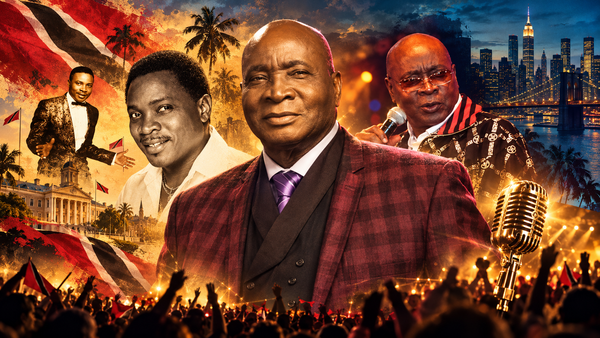
Part 7: Our Cultural & Sporting Heartbeat
Conclusion: The Verdict on Year One